Oct. 29, 2025
How Artificial Intelligence Is Changing Real Estate — and What It Means for You
Artificial intelligence (AI) isn’t just a buzzword anymore — it’s becoming part of how homes are bought, sold and managed. A recent Realtor.com survey found that 82 % of Americans now use AI for housing‑market information, yet real estate agents remain the most trusted source realtor.com. Consumers are excited about AI’s ability to personalize home searches and analyse market data, but many still rely on human agents for guidance realtor.com. This post explores the promise and pitfalls of AI in real estate and explains how TN Smoky Mtn Realty is using these tools responsibly.
What AI Brings to Real Estate
Personalized searches and virtual tours
Early AI systems mainly performed simple tasks such as answering questions, but today’s real‑estate platforms use machine‑learning models to analyze user preferences, budget and lifestyle to recommend suitable homes. AI‑powered recommendation engines on sites like Zillow and Redfin use browsing history and local data to suggest properties, saving buyers time and reducing stress. Virtual‑reality and augmented‑reality tours allow potential buyers to explore properties remotely. These immersive experiences let house hunters narrow their choices without hopping in the car.
Better valuations and market insights
One of AI’s biggest contributions is improved property valuation. Automated Valuation Models (AVMs) pull data from recent sales, neighborhood trends and property features to estimate value. Predictive analytics from platforms like HouseCanary can forecast future sales, inventory and price growth, helping investors and agents anticipate market shifts. Studies show that AI‑driven valuation tools can achieve low error rates; HouseCanary’s median absolute percentage error is 2.8 %.
Efficiency and automation
AI doesn’t just crunch numbers; it automates repetitive back‑office tasks. Systems can handle lead qualification, tenant screening, rent collection and document processing, reducing errors and freeing up agents to focus on client relationships. In property management, AI can schedule maintenance and monitor building systems, boosting efficiency and sustainability.
Enhanced client engagement
Chatbots and virtual assistants reply to routine questions 24/7, while algorithms personalize emails and marketing campaigns. HouseCanary notes that AI‑powered personalization improves client engagement and satisfaction by offering tailored property suggestions and quick responses. Recommendation systems also help agents target their outreach to people most likely to buy or refinance, resulting in smarter marketing and potentially higher conversion rates.
Smart homes and lifestyle features
AI extends beyond transactions. Smart‑home devices powered by AI — from thermostats that learn your comfort preferences to security systems that recognize faces — are making living spaces more efficient and secure. In apartment buildings, AI‑enabled mailroom management systems track packages and notify residents, improving convenience and reducing lost deliveries.
Real‑time forecasts for investors
Predictive analytics help investors allocate capital more intelligently by analyzing rental demand, regional trends and economic cycles. These tools allow buyers and developers to anticipate market shifts and optimize portfolios. Some forecasts even simulate scenarios like interest‑rate hikes or rental‑demand surges, empowering investors to make data‑driven decisions.
What Consumers Can Expect
A more informed search
Consumers should expect faster and more personalized searches thanks to AI. Platforms can filter thousands of listings based on budget, location and lifestyle preferences. Tools like ChatGPT and Gemini are already popular; the Realtor.com survey found 67 % of respondents used ChatGPT and 54 % used Gemini for housing research realtor.com. However, even with these tools, most people still turn to human agents for the final word realtor.com.
Quick but not perfect valuations
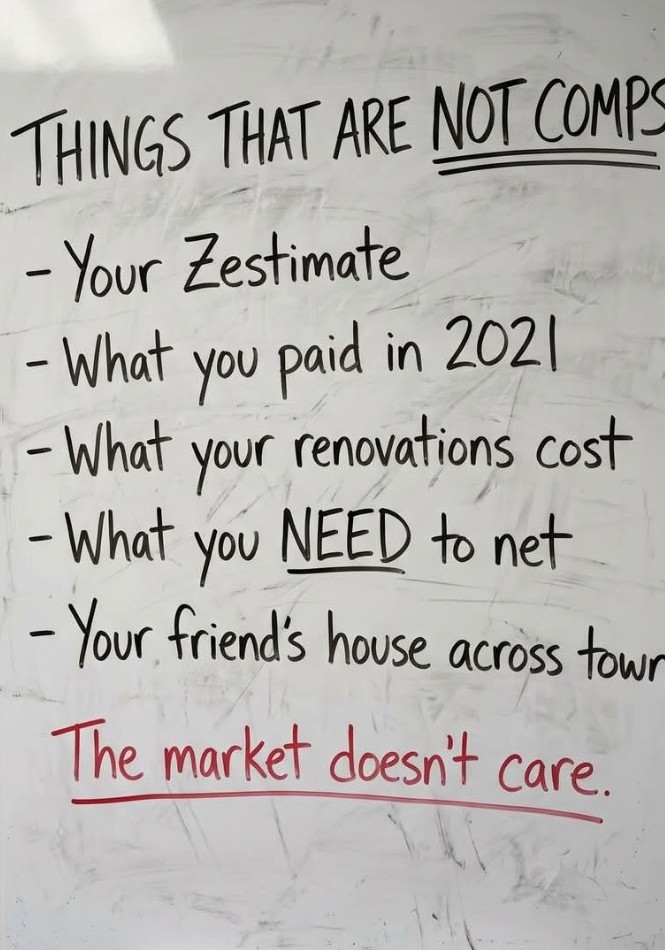
Automated home‑valuation tools are helpful for a ballpark figure, especially in cookie‑cutter neighborhoods. But they can miss key features like renovations, premium views or smart‑home upgrades. A 2025 survey of real‑estate professionals reported that 87 % believe AI undervalues homes with unique features or upgrades. In fast‑changing markets, AI often lags behind current buyer behavior, so expect to use AI valuations as a starting point and verify with a local expert.
Seamless transactions — with humans involved
AI is speeding up paperwork and reducing errors, but it won’t replace human agents. Industry leaders like Melissa Woodcock, president of the Greater Capital Association of Realtors, emphasize that while AI can handle many tasks, personal connection and negotiation skills remain irreplaceable. Chatbots can schedule showings, but only an agent can talk you through the emotional and financial decisions of buying or selling.
Smarter home living
Expect your future home to feature AI‑enabled devices. Machine‑learning thermostats, intelligent lighting and voice‑activated assistants create comfortable, energy‑efficient environments. As predictive maintenance systems evolve, owners may receive alerts for potential issues before they become costly repairs.
The Pitfalls: Where AI Falls Short
Data quality and bias
AI models are only as good as the data they ingest. Incomplete or outdated data can skew valuations and predictions. Bias in training data can lead to discriminatory outcomes in property valuations or tenant screening. HouseCanary notes that ethical design can mitigate bias, but real‑estate firms must audit algorithms and ensure data diversity.
Privacy and security concerns
AI systems process sensitive personal and financial information, raising data‑privacy and cybersecurity risks. PBMares points out that real‑estate companies must implement encryption, access controls and secure communication protocols to protect client data and comply with regulations. The National Association of Realtors (NAR) warns that risks include inconsistent state laws, fair‑housing data bias, privacy concerns and unclear disclosure rules nar.realtor. Deepfake scams pose another threat; REALTOR® Magazine cautions that fraudulent listings and impersonations can be used to divert deposits or trick buyers nar.realtor.
Over‑reliance and miscommunication
AI tools can create unrealistic expectations. Automated valuations may cause buyers to assume a home is overpriced when unique features aren’t captured. AI‑generated marketing, if unchecked, can sound robotic — brokers in one Times Union article warn that some agents lean too heavily on AI and lose the human touch. The industry must balance automation with authenticity and personal engagement.
High costs and learning curves
Implementing AI requires investment in software, infrastructure and training. Smaller brokerages may struggle with the cost and complexity. Resistance to change can slow adoption; success often hinges on education and transparent communication. Professionals must learn to fact‑check AI output and integrate it responsibly.
Legal and ethical responsibilities
AI must comply with fair‑housing laws, copyright rules and privacy regulations. NAR notes that inaccurate information, copyright issues and search‑engine impacts are potential dangers nar.realtor. Agents using AI‑enhanced listing photos must avoid misrepresenting property features to stay within ethical guidelines nar.realtor. Real‑estate firms should adopt frameworks like the NIST AI Risk Management Framework to ensure governance, transparency and accountability.
How TN Smoky Mtn Realty Uses AI
At TN Smoky Mtn Realty, we believe AI should enhance — not replace — personal service. We use data analytics to price properties accurately, identify market trends, and match buyers with homes that fit their lifestyle. We’re excited by AI’s ability to forecast demand, generate personalized search results and streamline paperwork. However, we never let a machine make your decisions. A live agent is always just a phone call away at 865‑280‑2569. We never sell or spam your information; our AI tools are designed to assist, not bombard you with text messages or robo‑calls. When you work with us, you’ll benefit from the latest technology and the expertise of experienced agents who know East Tennessee’s market inside and out.
Final Thoughts
Artificial intelligence is ushering in a new era of convenience, efficiency and insight in real estate. From personalized searches and virtual tours to predictive pricing and smart‑home automation, AI tools help consumers make better‑informed decisions. Yet, these systems come with caveats: data biases, privacy risks, and the danger of over‑reliance. Human expertise remains essential for interpreting data, negotiating deals and providing emotional support during one of life’s biggest transactions. With a balanced approach that leverages technology responsibly and preserves personal connection, real‑estate professionals and consumers can harness AI’s power while avoiding its pitfalls.